
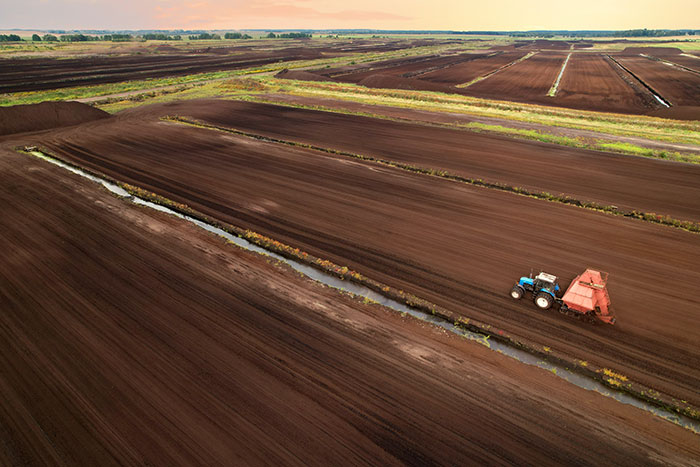
A raging controversy for the last few years, with advocates on both sides, the reality of a peat-ban in compost in 2024 is now beginning to bite.
For gardeners who didn’t want to make their own compost, the go-to-choice for giving plants and vegetables the best start was peat-based compost.
However, we are now on the climate change tipping point which means that we need to do all we can to minimise climate damaging carbon. Peat bogs are a very important store of carbon, called carbon sinks. When peat is removed and processed, this releases a huge volume of carbon dioxide into the atmosphere, contributing to the greenhouse effect. When it stays in the ground, the peat bogs also absorb carbon as the plants there decompose, storing the carbon within them indefinitely.
Research suggests that peat bogs are even better than trees and forests for their efficiency in storing carbon and that Peatlands are the largest natural terrestrial carbon store. They store more carbon than all other vegetation types in the world combined.
It’s easy to see why we need to change our growing habits.
So, what is the alternative? Many manufacturers are turning to coir as a key ingredient of peat-free composts, and although not without its own issues (such as transportation and needing more water to process it), because it is a natural bi-product of the coconut industry and can be grown organically without chemicals, it is seen as a potential sustainable replacement for peat in many modern composts. It offers similar water-retaining and nutrient-boosting benefits, and breaks down a lot slower than peat, thanks to its high lignin content. It also provides additional soil structure and retains moisture for a healthier garden.
Coir does have disadvantages like needing more frequent watering and so has the potential to leach nutrients more quickly than peat, and a well-balanced compost that provides a viable alternative to peat needs to be more than just coir and a few ingredients hastily thrown together.
Bathgate has spent the last 10 years developing their peat-free products, trialling different blends of ingredients to perfect our composts. Our first peat-free was introduced in 2013 with our flagship Champions Blend being launched to high acclaim in spring 2018. Throughout this time, we have run trials with many nurseries, hobby growers and bloggers responding to their feedback to attain great results because of our commitment to providing a quality growing medium that delivers the results gardeners are used to.
In fact, many users have found the products exceed peat in their performance. Commercial grower Michael W from Holland Horticulture trialled our composts last year with great success. “Having used the Bathgate and Champions Blend Peat Free soils this year in the greenhouse, I can confidently say that the results have been spectacular. The quality of the fruit and vegetables that have been produced are some of the best I have grown to date.
I also feel much better in myself for using more sustainable products in my garden and minimising my impact on the environment.” he enthused
It’s no longer a holy grail to find a peat free that delivers great results, but it has been a long crusade for us to find that perfect blend. BBC Radio 2’s allotment guru Terry Walton has been on the journey with us too and had this to say; “I have searched long and hard to find a peat free compost that would challenge the results I had with peat based.
When I used Champion Blend peat free compost, I was finally getting those results I had always had with my germination and early plant growth.
I can now move in the right direction, go entirely peat free and still have the best results on my allotment while enjoying my new gardening experience.”
Is there a downside? Well, this eco-friendly option comes at a price. The raw ingredients and production costs are significantly more for peat free than peat and you do definitely get what you pay for, as cheap peat-free composts will have had to compromise somewhere and are far more likely to end in poor results and unhappy gardeners. The government ban however, does mean the consumers will have to pay more as there won’t be a peat alternative available and the very nature of the gardening demographic suggests they will be open to trade up for the sake of the environment.
So, it’s time to dig a little deeper and find out more about why our products are sustainable, effective and provide a great value solution to retailers, nurseries and consumers alike. Feel free to get in touch with us and our Technical Advisers and Sales team will be able to tell you more. But don’t wait for 2024, commit to peat free now, the planet and your customers will thank you for it.
